As the world shifts towards sustainable energy solutions, wind turbines have emerged as a leading technology in the renewable energy sector. Once considered a niche market, wind energy has now become one of the fastest-growing sources of electricity generation globally. But what exactly is driving this surge in popularity? Here are the key reasons why wind turbines are becoming an increasingly attractive option for energy production.
Some of the factors are:
- Energy Security and Independence
- Environmental Benefits
- Economic Viability
- Scalability and Flexibility
- Adaptability To Climate Goals
- Job Creation and conomic Growth
1. Energy Security and Independence
Wind energy contributes to energy security by diversifying the energy mix and reducing reliance on imported fossil fuels. Countries with abundant wind resources can harness this energy to meet their domestic electricity needs, reducing exposure to global energy market fluctuations and geopolitical tensions. This energy independence is particularly appealing for nations looking to secure a stable and reliable energy supply.
2. Environmental Benefits
Wind turbines are at the forefront of the fight against climate change. Unlike fossil fuels, which release harmful greenhouse gases into the atmosphere, wind energy is clean and renewable. By harnessing the power of the wind, turbines produce electricity without emitting carbon dioxide or other pollutants, making them an essential tool in reducing global carbon footprints. This environmental benefit is a significant factor in the growing adoption of wind energy, as governments and companies strive to meet ambitious climate goals.
3. Economic Viability
The cost of wind energy has dropped dramatically in recent years, making it one of the most affordable sources of electricity. The levelized cost of electricity (LCOE) for wind has fallen to the point where it can compete with, and often undercut, traditional fossil fuels. This economic viability is driving increased investment in wind energy projects, particularly in regions with favorable wind conditions. Moreover, wind energy projects often have lower operating and maintenance costs compared to other energy sources, further enhancing their appeal.
4. Scalability and Flexibility
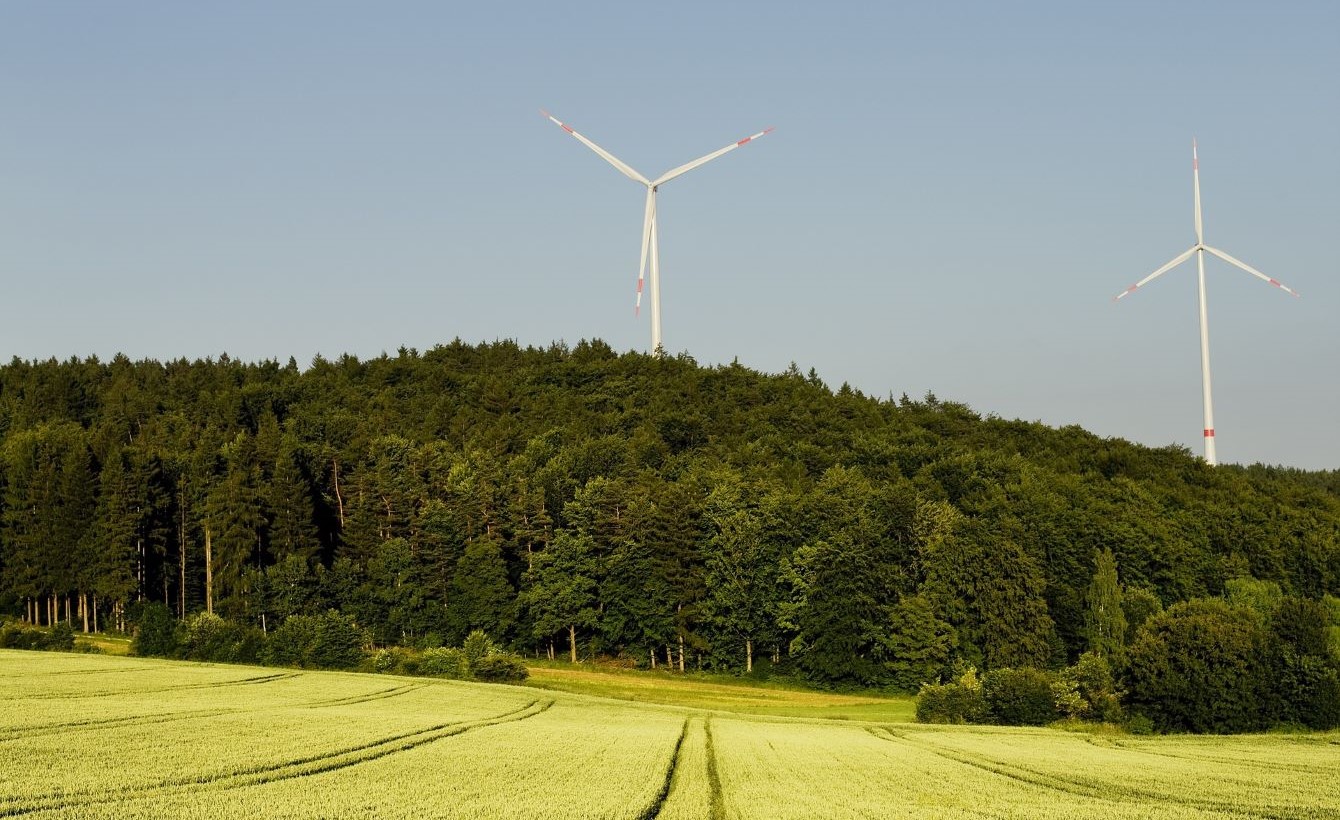
Wind energy is highly scalable, meaning it can be deployed in various sizes and settings, from small, community-based projects to large, utility-scale wind farms. This flexibility makes wind turbines suitable for a wide range of applications, from powering rural areas and remote islands to contributing to the energy needs of large urban centers. Offshore wind farms, in particular, have the potential to generate vast amounts of electricity by harnessing stronger and more consistent winds over the ocean
5. Adaptability to Climate Goals
Wind energy is an essential component of global strategies to combat climate change. Many countries have set ambitious targets for reducing greenhouse gas emissions and transitioning to renewable energy.
Wind power, with its proven track record and scalability, is a key technology in achieving these goals. As a result, wind energy is often prioritized in national energy plans, further driving its growth and adoption.
6. Job Creation and Economic Growth
The wind energy industry is a significant driver of job creation and economic growth. From manufacturing and installation to maintenance and operations, wind energy projects create a wide range of employment opportunities. According to the International Renewable Energy Agency (IRENA), the wind energy sector employed over 1.2 million people globally as of 2023, a number that is expected to continue rising as the industry expands. Additionally, wind farms can stimulate local economies by providing income to landowners and generating tax revenue for communities.
Conclusion
The rising popularity of wind turbines is no coincidence. Driven by environmental concerns, technological advancements, economic benefits, and social acceptance, wind energy is rapidly becoming a cornerstone of the global energy transition. As the world continues to move towards a more sustainable and resilient energy future, wind turbines will play an increasingly vital role in powering our homes, businesses, and communities with clean, renewable energy.