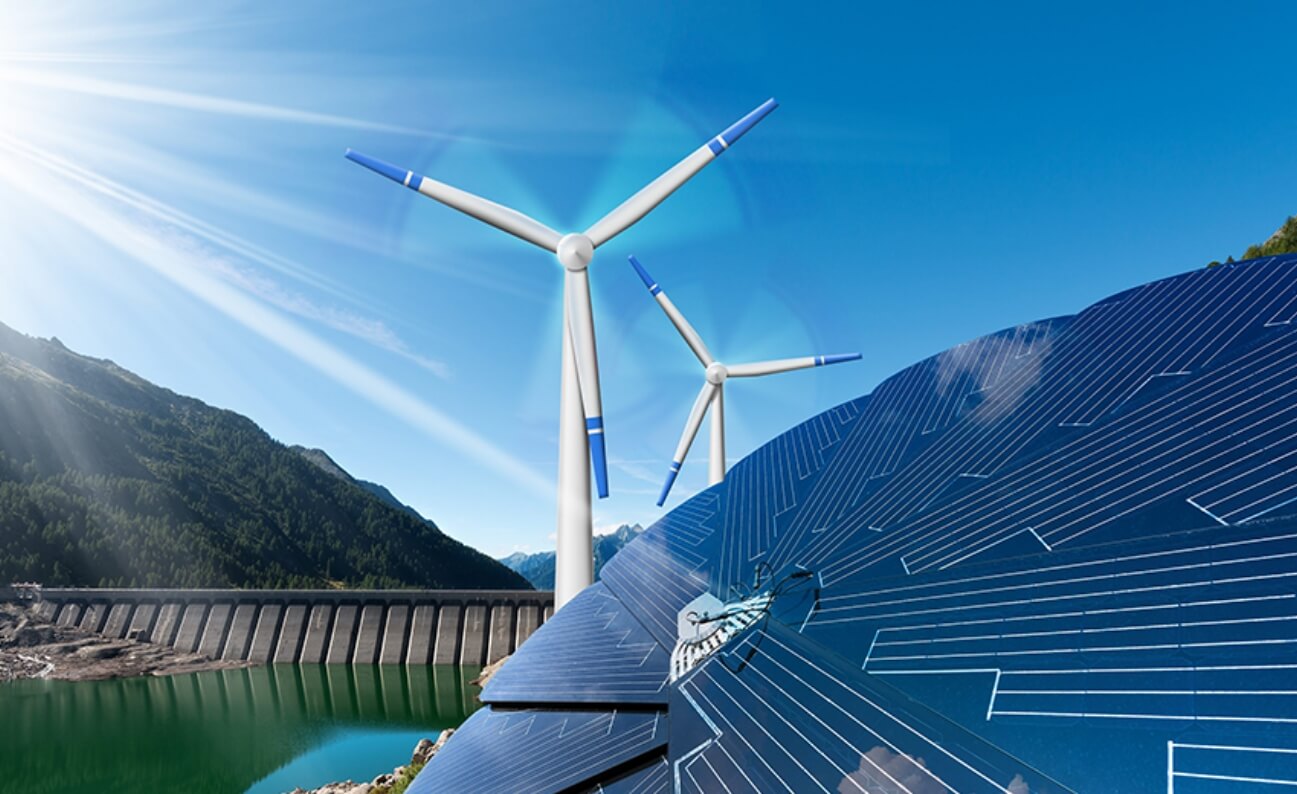

In the quest for a sustainable future, harnessing renewable energy has emerged as a cornerstone of global efforts to combat climate change and secure energy independence. Renewable energy sources such as solar, wind, hydroelectric, and geothermal power offer abundant, clean, and inexhaustible alternatives to fossil fuels. This shift not only promises to mitigate environmental impacts but also presents economic opportunities and enhances energy security worldwide.

The Promise of Renewable Energy
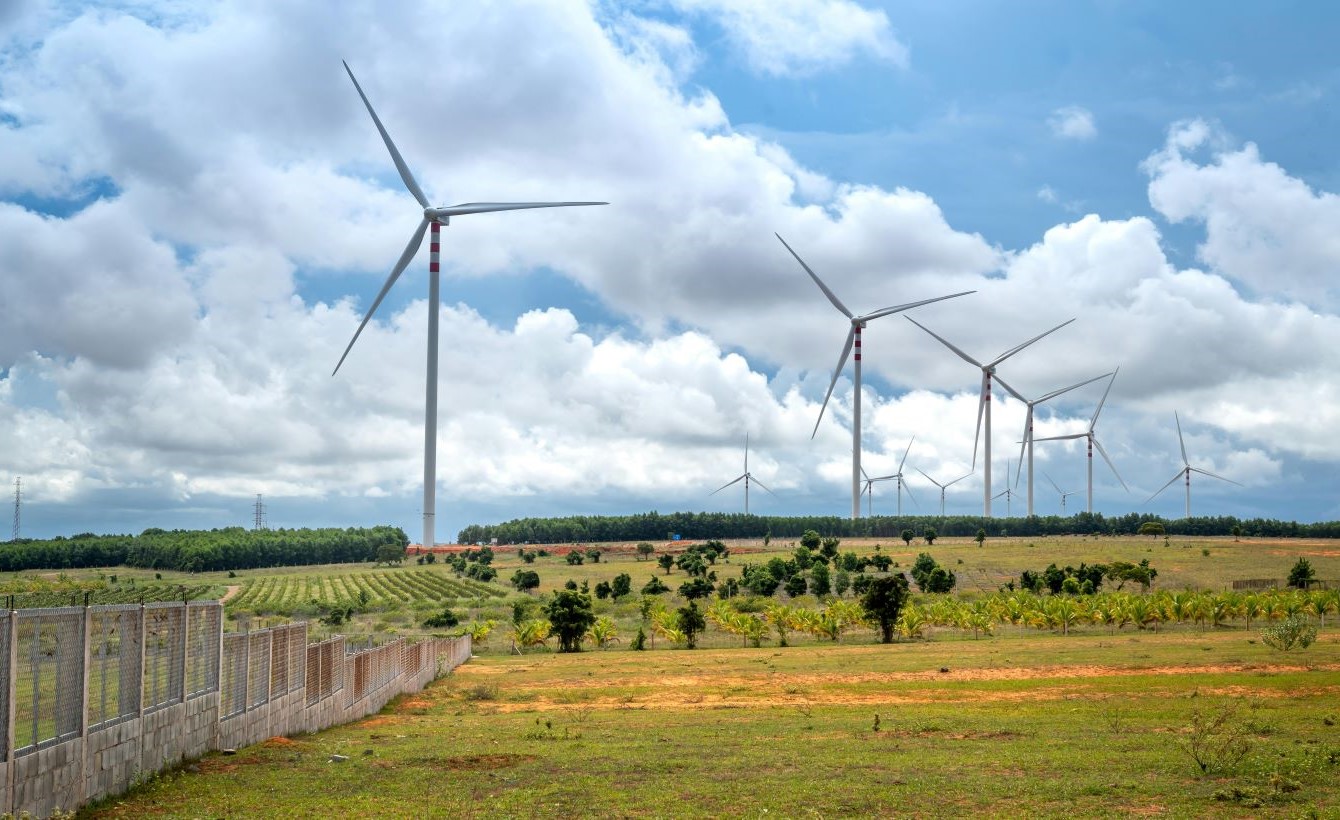
Renewable energy technologies have witnessed remarkable advancements in recent decades, making them increasingly viable and cost-effective. Solar photovoltaic (PV) panels, for instance, have seen significant efficiency improvements while costs have plummeted, making solar energy a competitive option in many regions. Similarly, advancements in wind turbine technology have bolstered the efficiency and reliability of wind power generation, harnessing the kinetic energy of wind to produce electricity on a large scale.
Unlike fossil fuels, renewable energy sources produce little to no greenhouse gas emissions or air pollutants during operation. This characteristic not only mitigates climate change but also improves air quality, thereby benefiting public health and reducing healthcare costs associated with pollution-related illnesses.
Economic and Social Benefits
The transition to renewable energy is not merely an environmental imperative but also an economic opportunity. Investments in renewable energy infrastructure stimulate economic growth, create jobs, and drive innovation across various sectors. From manufacturing and construction to research and development, the renewable energy industry offers diverse employment opportunities, helping to build resilient and sustainable economies.
Moreover, renewable energy projects contribute to energy diversification and reduce dependence on imported fossil fuels, enhancing energy security for nations around the world.
By decentralizing energy production and promoting local energy sources, communities can become more self-reliant and resilient in the face of disruptions to global energy supply chains.
Overcoming Challenges
Despite its numerous benefits, the widespread adoption of renewable energy faces challenges that require strategic solutions and coordinated efforts. Intermittency, for example, remains a key challenge for solar and wind power due to their reliance on weather conditions. However, advancements in energy storage technologies, such as batteries and pumped hydro storage, are addressing these challenges by enabling the storage of surplus energy for use during periods of low renewable generation.
Furthermore, grid integration and regulatory frameworks need to evolve to accommodate higher shares of renewable energy in the electricity mix. Policies that incentivize renewable energy deployment, streamline permitting processes, and promote grid modernization are essential for facilitating the transition to a renewable energy future.
The Role of Innovation and Collaboration
Innovation plays a crucial role in accelerating the adoption of renewable energy technologies. Research and development efforts continue to focus on enhancing the efficiency, reliability, and affordability of renewable energy sources. Breakthroughs in materials science, energy storage, and grid management systems are paving the way for a more resilient and interconnected energy infrastructure capable of integrating high levels of renewable energy.
Collaboration between governments, businesses, academia, and civil society is also essential for driving the renewable energy transition forward. Public-private partnerships, international cooperation, and knowledge sharing can facilitate technology transfer, capacity building, and the scaling up of renewable energy projects worldwide.