The world is in the midst of a significant transformation as it moves towards a future powered by renewable energy. The urgency to combat climate change, reduce greenhouse gas emissions, and achieve energy independence has spurred a wave of innovation in the renewable energy sector. From advanced solar panels to cutting-edge wind turbines, new technologies are playing a crucial role in making clean energy more efficient, accessible, and sustainable. Here’s a look at some of the most innovative technologies driving the future of renewable energy.
1. Next-Generation Solar Panels
Solar energy has long been a cornerstone of renewable energy strategies, and recent advancements in solar panel technology are making it even more efficient and versatile. Traditional silicon-based solar panels are being replaced by next-generation materials like perovskite. Perovskite solar cells are cheaper to produce, more flexible, and have the potential to achieve higher efficiency rates than their silicon counterparts. These cells can be integrated into various surfaces, including windows and building facades, turning everyday structures into power generators.
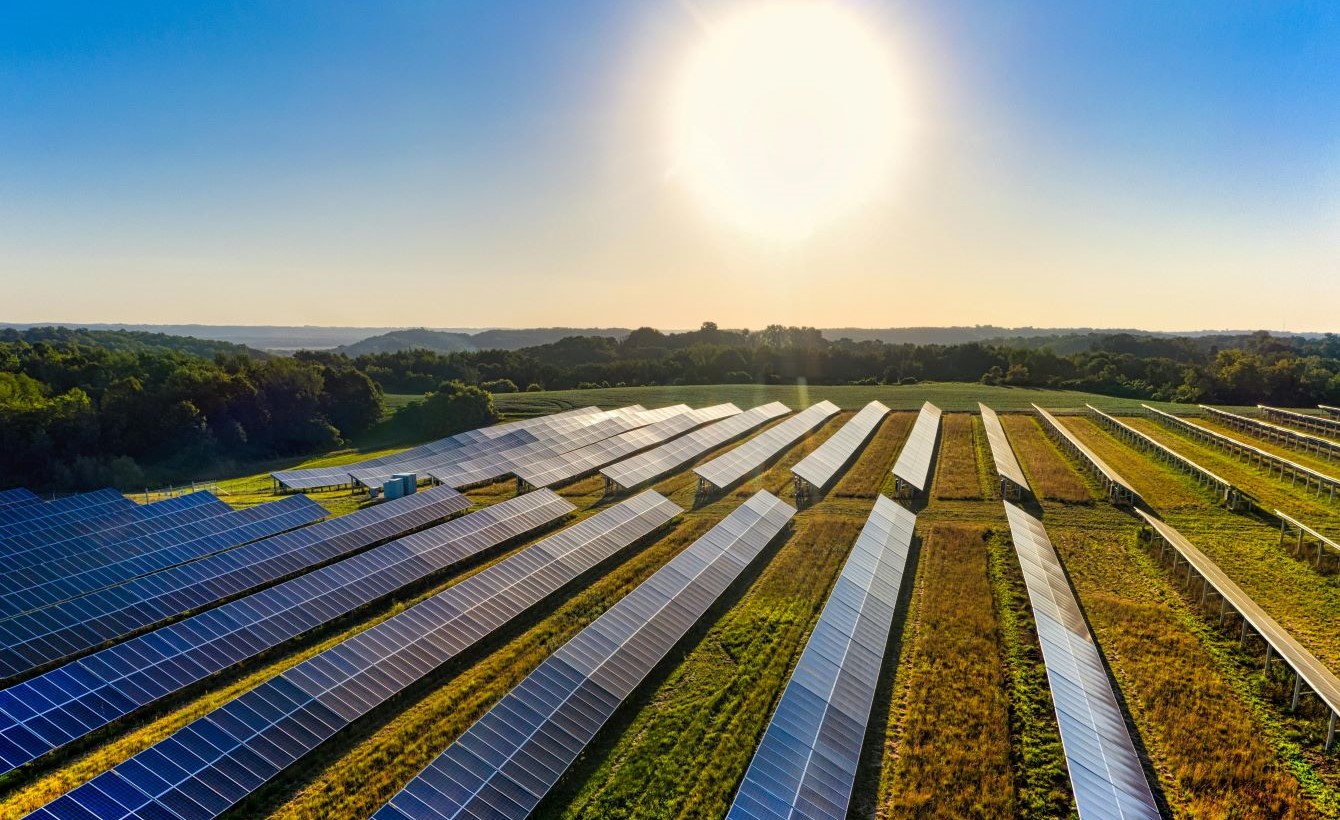
Additionally, bifacial solar panels, which capture sunlight on both sides, are becoming more popular. These panels can increase energy output by up to 30%, especially in environments with high levels of reflected sunlight, such as snowy regions or deserts. Innovations like these are making solar energy more adaptable to different climates and applications, bringing us closer to a solar-powered future.
2. Offshore Wind Turbines
Wind energy is another key player in the renewable energy landscape, and offshore wind turbines are at the forefront of its growth. Offshore wind farms have the advantage of stronger and more consistent wind speeds than onshore sites, allowing them to generate more electricity. Recent advancements in turbine technology, such as floating wind turbines, are expanding the potential of offshore wind power.
Floating turbines can be installed in deeper waters, where traditional fixed-bottom turbines are not feasible. This innovation opens up vast new areas for wind energy development, particularly in regions with deep coastal waters. Moreover, the latest turbines are designed to be larger and more powerful, with some models capable of producing up to 15 MW of power per turbine. As these technologies continue to develop, offshore wind energy is set to become a major contributor to the global energy mix.Lithium-ion batteries, widely used in electric vehicles and home energy storage systems, have seen significant improvements in energy density, lifespan, and cost.
3. Energy Storage Solutions
One of the biggest challenges facing renewable energy is its intermittency—solar panels don’t generate electricity at night, and wind turbines stand still on calm days. Innovative energy storage solutions are crucial to overcoming this hurdle and ensuring a reliable supply of renewable energy.
Lithium-ion batteries, widely used in electric vehicles and home energy storage systems, have seen significant improvements in energy density, lifespan, and cost.However, emerging technologies like solid-state batteries and flow batteries offer even greater potential.
Solid-state batteries are safer and can store more energy in a smaller space, while flow batteries can provide long-duration energy storage, making them ideal for balancing the grid over extended periods.
Another exciting development is the use of gravity-based storage systems, where excess energy is used to lift heavy objects or pump water to higher elevations. When energy is needed, the stored potential energy is converted back into electricity. These systems offer a sustainable and long-lasting solution for large-scale energy storage.
4. Green Hydrogen
Hydrogen is gaining attention as a versatile and clean energy carrier, particularly in sectors where electrification is challenging, such as heavy industry, shipping, and aviation. Green hydrogen, produced by splitting water into hydrogen and oxygen using renewable electricity, emits no carbon dioxide, making it an attractive alternative to fossil fuels.
Recent advancements in electrolysis technology, which is used to produce green hydrogen, are driving down costs and improving efficiency. Innovations such as proton exchange membrane (PEM) electrolysis and solid oxide electrolysis cells (SOECs) are enabling more efficient and scalable hydrogen production. As the cost of renewable energy continues to fall, green hydrogen is poised to play a crucial role in decarbonizing hard-to-abate sectors and supporting the global transition to a sustainable energy system.
5. Smart Grids and AI Integration
The integration of renewable energy into the existing grid infrastructure presents both opportunities and challenges. Smart grids, powered by advanced sensors, communication technologies, and artificial intelligence (AI), are revolutionizing the way electricity is generated, distributed, and consumed.
AI and machine learning algorithms can predict energy demand, optimize the operation of renewable energy sources, and manage energy storage systems to ensure grid stability. For example, AI can forecast solar and wind generation based on weather patterns, allowing grid operators to balance supply and demand more effectively. Smart grids also enable more efficient energy use through demand response programs, where consumers are incentivized to reduce or shift their energy usage during peak periods.
The deployment of smart meters and grid-connected devices is creating a more resilient and adaptable energy system, capable of integrating higher levels of renewable energy while maintaining reliability and efficiency.
Conclusion
The future of renewable energy is being shaped by a wave of innovative technologies that are making clean energy more efficient, reliable, and accessible than ever before. From next-generation solar panels to advanced energy storage solutions, these innovations are driving the global transition towards a sustainable energy future. As these technologies continue to evolve and scale, they will play a crucial role in reducing our dependence on fossil fuels, mitigating climate change, and ensuring a cleaner, greener planet for generations to come